
I am always looking for creative, engaging and meaningful ways to introduce my students to psychological research. To be honest, I spend a lot of time on social media, but most of that time is following other teachers and discussion boards on the teaching of psychology. A few weeks ago, Ellen Carpenter shared a great idea on the Society for the Teaching of Psychology page. She was using an episode from the podcast Freakonomics to introduce research. I was instantly intrigued. I LOVE the book Freakonomics and I am always looking for ways to improve my unit. The episode that I used for this lesson was “What Can Uber Teach Us About the Gender Pay Gap?” It asks the question, “Does a gender pay gap exist in the gig economy?”
Lesson Overview
As a class, we listened to the first 12 minutes of the episode. The students then identified the research question being studied, the initial hypothesis, the null hypothesis, and the variables of the study.
 |
| https://granitegrok.com/blog/2018/02/uber-pay-gap-feminists-arent-going-like-answer |
Spoiler alert: There is a pay gap of 7% between males and females. Males earn 7% more than females. The researchers were able to prove that the difference did not result from gender discrimination. To learn more about how they did this, listen to the episode, it’s really cool to learn about how the structure of the company and its dispatch procedures played a role. Here is the link to the findings.
I presented the following problem to my students, “If a person’s gender is not the cause of the pay gap, then what is?”
- In small groups, the students brainstormed possible causes for the pay gap and recorded their responses on their handouts.
- As a group, they came to a consensus as to which variable they thought was most likely to be the cause of the pay gap and designed a simple study to test their hypothesis.
- Each group shared their study with the class on Padlet. It included the research question being studied, their hypothesis, their null hypothesis, operational definitions of their variables and any confounding variables that might impact their results.
- The students read each other’s posts and voted for the studies that they thought had the most merit.
- I shared the findings from the actual researchers from the study as part of my presentation. However, if you have the time, I recommend having the students listen to minutes 12-23 of the podcast and hear the findings from the researchers themselves.
- Duration of lesson: 90 minutes.
Here is what my presentation looked like – along with the handout that I provided the students.
A note on the use of technology….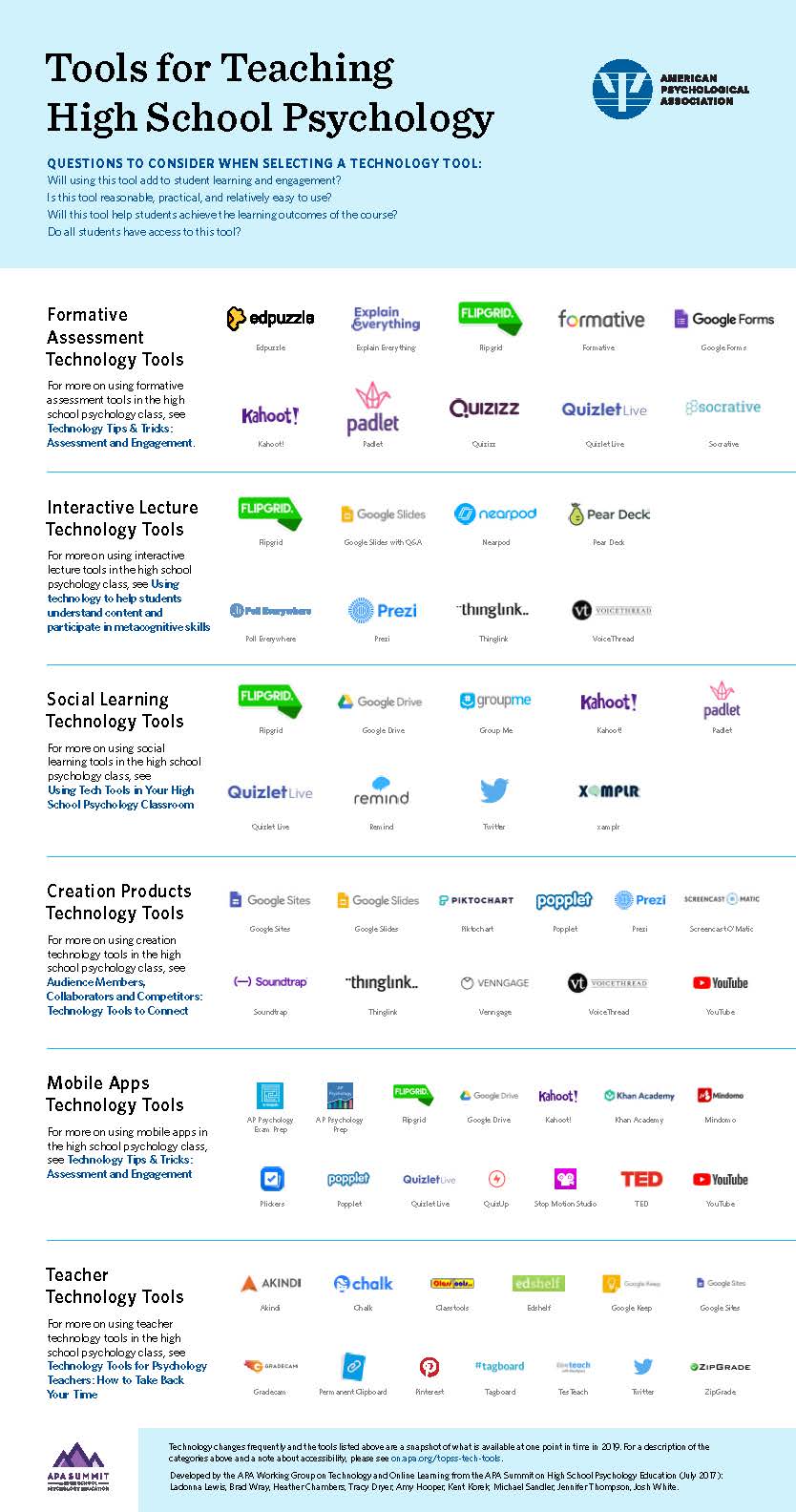 I chose to use Padlet for this assignment because it allowed for all of the studies to be posted in a central location. The American Psychological Association has recently released a guide to using technology in the classroom and suggested tools based on your purpose. Some questions to consider then selecting a technology tool include:
- Will using this tool add to student learning and engagement?
- Is this tool reasonable, practical, and relatively easy to use?
- Will this tool help students achieve the learning outcomes of the course?
- Do all students have access to this tool?
I am a recent convert to the world of podcasts. Do you have any favorites that I need to listen to? Share them below! Thank you for taking the time to read my post. Please let me know if you have any questions or comments.
Cori

 Blended Learning Journey
Leave a comment