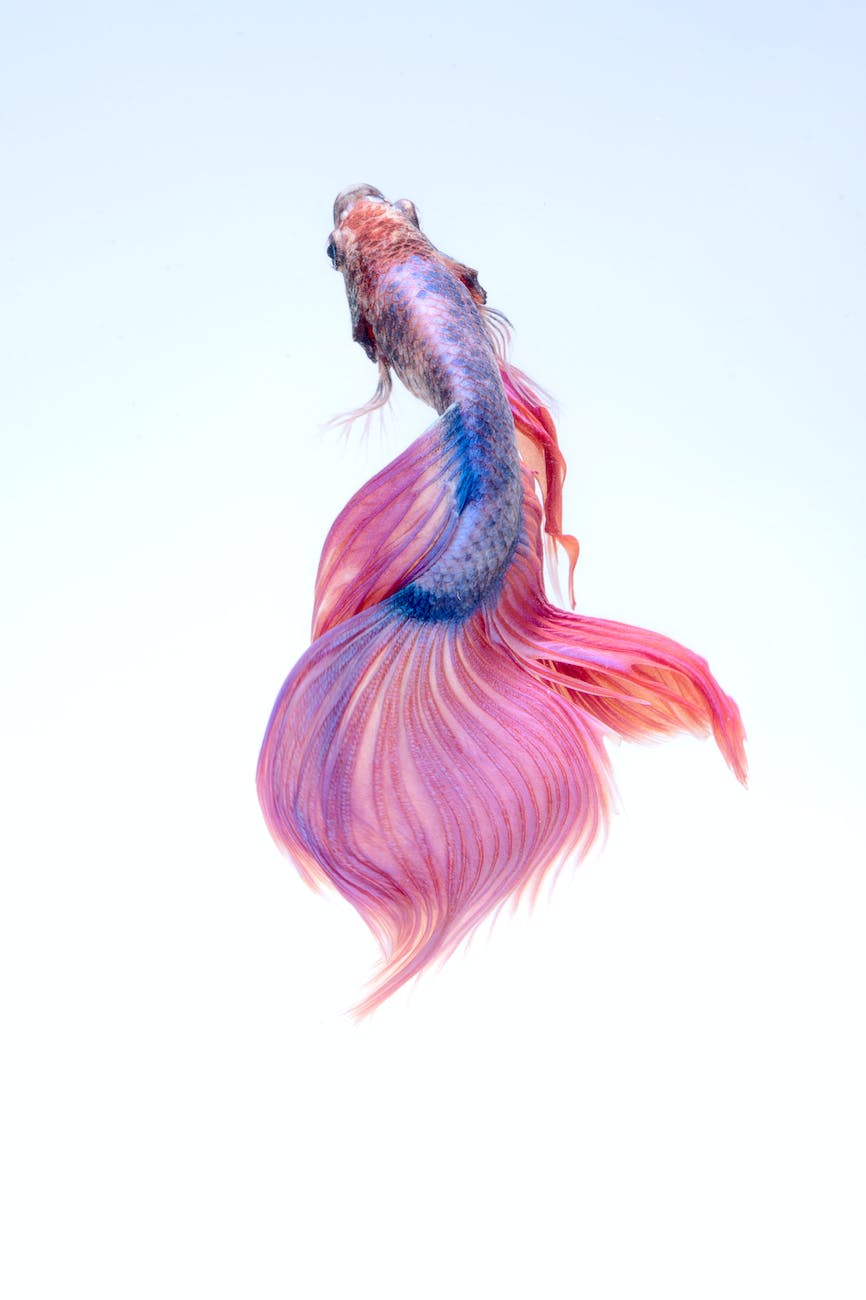
Is it better to be a big fish in a small pond, or a small fish in a big pond?
I have a question for you. I am going to give you two options. You have to choose one. Ready? Here it is…
Would you rather be the best player on the worst team or the worst player on the best team?
Got your answer? Great! Hold onto that thought. We will circle back to it at the end of this article.
The Little Fish in a Big Pond Effect
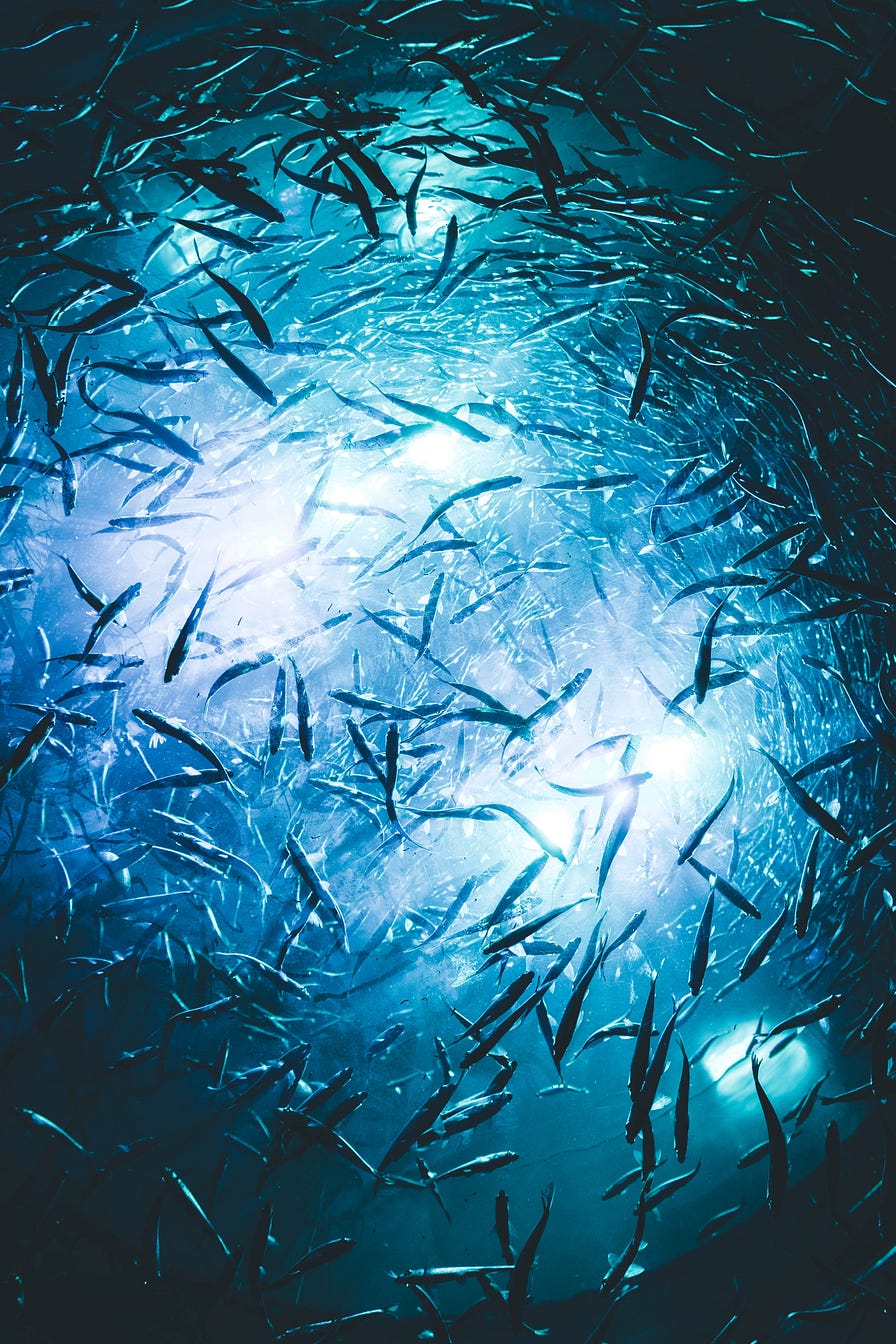
A “little fish in a big pond” is a metaphorical expression used to describe a situation in which an individual who has achieved success in a smaller, less competitive “pond” struggles to achieve the same level of success in a larger, more competitive “pond.”
Think back to high school. I bet that you knew who the “big fish” were. I certainly did! The star athlete. The class valedictorian. The most popular. The richest. The most stylish. The one that everyone wanted to be friends with. Regardless of the criteria that you used to measure success, they seemed to have it all.
Fast forward to your class reunion. Is that person still a “big fish?” Did they stay in their small pond? Was there a small fish that grew a lot bigger since you last saw them? What did they do differently — and what does that tell us about how the environment that we choose impacts the direction of our life?
No Stupid Questions
I am a huge fan of the podcast, “No Stupid Questions” (NSQ). It’s a podcast about, you guessed it, the interesting questions that people have about life and human behavior. This week, the team answered the following question:
Which has more upside: To be the best person on the worst team or the worst on the best team?”
In other words, is it better to be a big fish in a small pond, or a little fish in a big pond? This episode was hosted by Angela Duckworth, the psychologist who coined the term grit, and Mike Maughan, a tech and sports executive. They dove deep into a conversation about the “Big-Fish-Little-Pond Effect” — and how the size of the pond can affect the direction of an individual’s life.
The “Big-Fish-Little-Pond Effect” is a phenomenon heavily rooted in the work of educational psychologist Herbert Marsh. Marsh postulated that an individual’s academic self-concept and self-esteem are influenced not only by their abilities and achievements but also by the context in which they compare themselves to others.
Self-concept is the collection of beliefs, feelings, and thoughts an individual has about themselves.
The Big-Fish Effect hypothesizes that it is better for one’s self-concept to be a big fish in a small pond (being the smartest one in the class) than to be a small fish in a big pond (being a smart person in a room full of smarter people).
Social Comparison
One way that people create their self-concept is by comparing themselves to others — including friends, colleagues, neighbors, or any other relevant social category. If people feel they aren’t measuring up, it can lead to a state of relative deprivation.
According to the APA, relative deprivation is the perception by an individual that the amount of a desired resource (e.g., money, social status) he or she has is less than some comparison standard.
I bet a millionaire feels pretty good about their accomplishments — until they are surrounded by a bunch of billionaires. It’s their perception that matters, not their reality.
“Comparison is the thief of joy.” — Teddy Roosevelt
Big Fish or Big Pond?
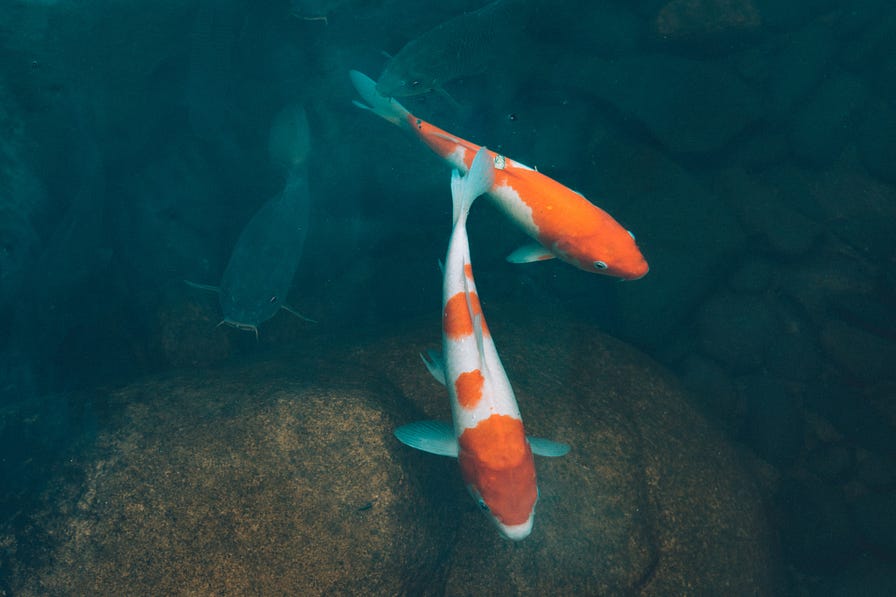
Whether it is better to be a big fish in a small pond or small fish in a big pond depends on YOU. There are upsides and downsides to both!
The Upside of Being the Big Fish:
- Increased recognition and respect
- More opportunities to demonstrate leadership
- Less competition
The Downside Being the Big Fish:
- Limited growth opportunities
- Limited exposure to other viewpoints and perspectives.
- Can lead to complacency and stagnation
The Upside of Being the Small Fish:
- Exposure to a broader range of ideas, perspectives, and experiences.
- Forces individual growth.
- Provides connections with more people — which can lead to new opportunities.
The Downside Being the Small Fish:
- Limited influence
- Need to work harder to survive and thrive
- Potential of lower self-esteem and well-being
Ultimately, whether or not you will thrive in a small pond or a big pond depends on several factors including your personal goals, strengths, and personality. If you prefer the comfort of a familiar environment, stay put. If you are looking for a challenge or more competitive setting, jump into another pond.
Indeterminate Growth
Some fish, like goldfish, are called indeterminate growers. Meaning that they can keep growing, getting bigger and bigger, as long as they live. Their size is not limited by age — it is limited by the size of the fish tank that they live in. If you put a tiny goldfish in a tiny bowl it will stay tiny. If you put a tiny goldfish in a large lake it can grow up to the size of a football. (Note: Don’t do this. It’s illegal in many states).
Can this principle be extrapolated to explain human behavior? Is it possible that we only grow as much as our environment will allow? Let’s circle back to my original question and find out.

Would you rather be the best player on the worst team or the worst player on the best team?
There is no “right” answer to this question. Your answer will reflect your preference for a small or big pond. Personally, I would choose to be the worst player on the best team. If I want to be better, I feel like I need to surround myself with better people in a bigger pond. Plus, it teaches me a little bit of humility. But that’s me, you need to pick the pond that is the right fit for you!
I would love to hear your answers, thoughts, and experiences on this topic. Please share them in the comments below.
Duckworth, A., & Maughan. Produced by Rebecca Lee Douglas, (2023, August 14). Bigger fish, or bigger pond?. Freakonomics. https://freakonomics.com/podcast/bigger-fish-or-bigger-pond/
 Blended Learning Journey
Leave a comment