

Welcome back to our gamification series! In the first post of this series, we looked at how gamification can be a game-changer (pun intended!) for tackling student disengagement. By tapping into what makes games so compelling, it boosts motivation, fosters deeper emotional and cognitive connections, and transforms the classroom into a dynamic, interactive environment.
But that’s not all. Gamification also brings other incredible benefits to the table. It keeps students engaged, provides personalized and timely feedback, and supports learners with diverse needs and strengths.
It’s about meeting students where they are and turning the learning journey into something they actively want to pursue.
Ready to explore how gamification can enhance the learning experience? Let’s get started!
Memory Olympics

I’m all about working smarter, not harder, so instead of starting from scratch, I took my existing unit and added a gamified twist. Here’s how I did it:
Adaptation: I began by looking at the activities and demos I already used in class to see how I could adapt them for gamification. At first, I focused on the games I was already using, like GimKit, but then I realized there were tons of other possibilities—like class demos and application questions—that could be turned into fun, interactive experiences!
Team Formation: Each team picked a name based on a topic we’d already studied and created a poster. The poster featured their team name, a theme song, a list of members, images, and key concepts. It also had a space to track points throughout the unit.
Gamify Existing Demos: I then decided how to award points for different activities. I found it easiest to base points on the teams’ rankings. For example, if there were six teams, the team in first place earned 6 points, the team in second place earned 5 points, and so on, with the last place team getting 1 point. This way, every team stayed motivated, and it was easy to track progress.
Here’s an overview of the “games” we played:
Here are some of the activities that we used to key concepts while encouraging teamwork and a smidgen of friendly competition.
- Our first game, Winter Holiday Movie Trivia, involved teams playing a Kahoot trivia game. Want to give it a try? See if you can answer this question, “In the movie Elf, which is NOT one of Buddy the Elf’s food groups?” The possible answers are: Candy, Syrup, Sugar or Candy Corn? If you answered sugar, you are correct! Each team worked together to answer the questions using a shared device. Students earned points based on their ranking, with 1st place receiving 5 points, 2nd place 4 points, and so on. This game reinforced the concepts of tip-of-the-tongue phenomena, encoding, and retrieval practices.
- Another activity, It’s on the Tip of My Tongue, required teams to decipher cryptic phrases that represented common proverbs. For example, “one red, spherical fruit every twenty-four hours prevents visits from the physician.” Do you have your guess ready? If you said “an apple a day keeps the doctor away” you just earned some points for your team! This game reinforced the concepts of tip-of-the-tongue phenomena, encoding, and retrieval practices.
- In Simon, students played this classic game online for 3 minutes to achieve their highest possible score. The team’s final score was the average of each member’s top score. This game helped students explore working memory and the serial position effect.
- Finally, in Holiday Pictionary, teams were given a set of visual clues and tasked with identifying holiday songs within a 5-minute time frame. This activity, while intended to be secular, prompted intriguing discussions about bias, especially when some students were unfamiliar with certain songs. Alternatively, Rebus Puzzles could be used for a similar logic-based challenge. This game helped reinforce concepts such as the information-processing model, long-term memory, encoding, and forgetting.
At the end of the unit, the winning team was celebrated with a medal ceremony, complete with their theme song. The pride and excitement students felt made it worth the effort!

Social Psychology Smackdown

Social psychology, which focuses on group dynamics, is ripe for gamification. I split students into teams using the same structure as the Memory Olympics, assigned each team a concept, and had them create posters to keep track of their progress.
Here’s a look at the “games” we played:
- Cup Challenge: Teams worked together to stack cups without using their hands. The specific instructions are here. This game focused on group processes, such as social loafing and groupthink.
- Color Wars: In this challenge, teams earned points based on how many members wore their designated team color. The more students who wore the team color, the more points they earned. This game explored in-group and out-group bias, helping students understand group dynamics.
- Family Feud: Teams answered survey-style questions, earning points for the top responses. Students wrote their answers on a whiteboard, answering 10 questions like these. This game relates to social influence topics such as informational social influence, groupthink, conformity, and group polarization. This would also work well as an example of a survey in “Unit 0.”
- Smackdown: Teams competed in trivia, answering review questions from the unit. They could also draw chance cards for extra excitement—most cards had positive outcomes, like doubling their points, but some had challenges, like losing a turn. Here is the list that I used: Chance Cards. This game served as a fun unit review while reinforcing key social psychology concepts.
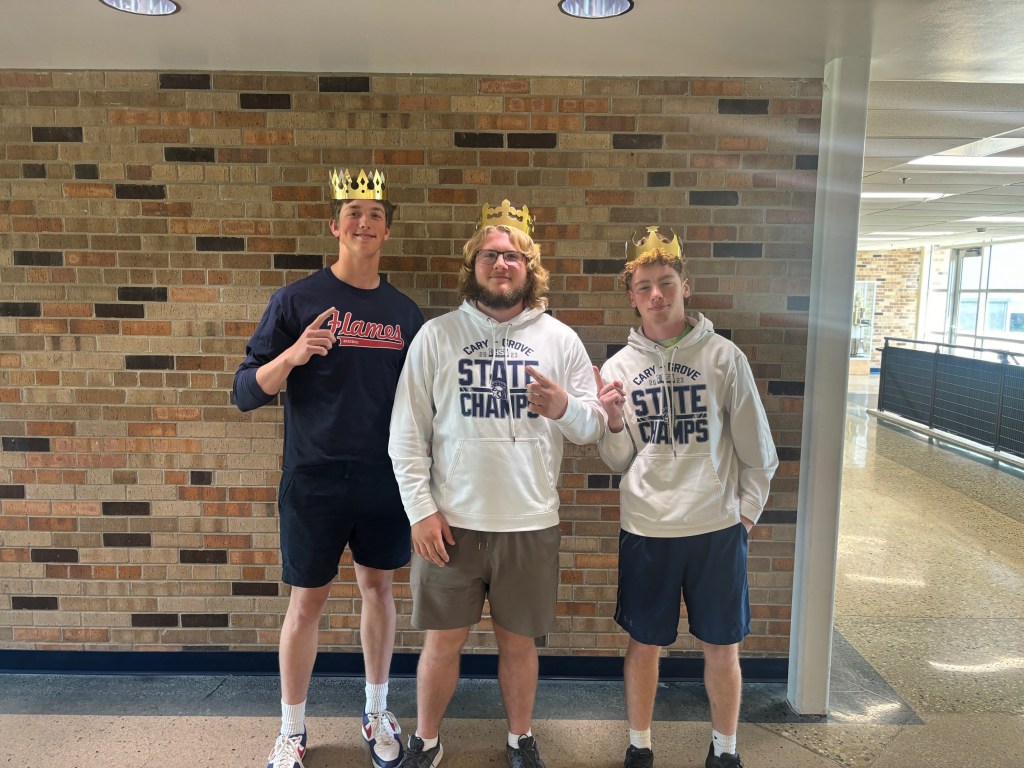
At the end of the unit, I “crowned” the winning team, which was a fantastic way to wrap up the school year!
Tips for Gamification Success
1. Leverage Existing Activities:
Begin by identifying activities that already work well in your classroom. This might include class discussions, group work, or quizzes. Then, reframe or adapt these activities to fit a gamified model. For example, transform a typical quiz into a race against the clock or create a team competition to reinforce the same learning objectives. By starting with what you already know, you’ll reduce prep time and ease into gamification gradually.
2. Use EdTech Tools:
Technology can take your gamification efforts to the next level. Platforms like Kahoot, Gimkit, and Quizizz allow you to incorporate engaging, competitive retrieval practice into your lessons. These tools offer a range of interactive features such as leaderboards, time limits, and real-time feedback, all of which make learning feel more like a game.
3. Choose What Inspires You:
The more passionate you are about the gamification theme or format, the more enthusiasm you’ll bring to the classroom. If you love trivia games, build your activities around fun quiz formats. If you’re into game shows, try creating a “Jeopardy!”-style review session. Connecting the activity to something you’re excited about will translate into a more engaging and authentic experience for your students.
4. Start Small:
It’s tempting to jump into a fully gamified classroom right away, but it’s often more effective to start small. Introduce a couple of low-stakes competitions or challenges each week, and gradually increase the complexity as you and your students become more comfortable. . Be sure to reflect regularly on what works and adjust accordingly. Do what works for you and your students!
5. Utilize Resources:
There are plenty of resources available to help you successfully gamify your classroom. Ditch That Textbook offers some practical tips for teachers who want to integrate game mechanics into their classrooms. John Meehan’s book, EDrenaline Rush, provides detailed strategies for blending gamification with pedagogical best practices.
6. Emphasize Collaboration Over Competition:
While competition can be fun, it’s essential to ensure that collaboration is also a key element of gamified activities. Students can work in teams to solve problems, earn points, or unlock achievements together. This promotes teamwork and helps students learn from one another, deepening their engagement. You could even have students collaborate on a group project that contributes to their team’s overall game score or create cooperative challenges that require different skill sets to succeed.
7. Incorporate Student Choice:
Giving students some autonomy over the game mechanics can increase engagement. Allow them to choose how they want to earn points, what challenges they want to tackle, or even how they want to contribute to the game. When students feel like they have some control over the outcome, they’re more likely to take ownership of their learning and invest in the gamified experience.
8. Make Learning Visible and Tangible:
Students love to see their progress. Incorporate visual elements like scoreboards, progress trackers, or achievement badges that students can interact with. These provide clear, ongoing feedback about their performance and motivate them to continue participating.
Gamification has really changed the way my classroom feels—it’s become a place where learning is not just educational, but fun! The best part is, any teacher can bring gamification into their own classroom, even if they start small or repurpose materials they already have.
In the next post, we’ll explore how gamification connects with powerful student learning strategies like retrieval and distributed practice. I’ll share some practical tips and examples on how these evidence-based techniques can enhance retention and understanding. Stay tuned to learn how to level up your gamification game!
Please leave questions and comments below. I value your feedback.
Be Well,
Cori

 Blended Learning Journey
Leave a comment