This series dives into what makes people give up, what helps them keep going, and how hope and optimism can turn things around.
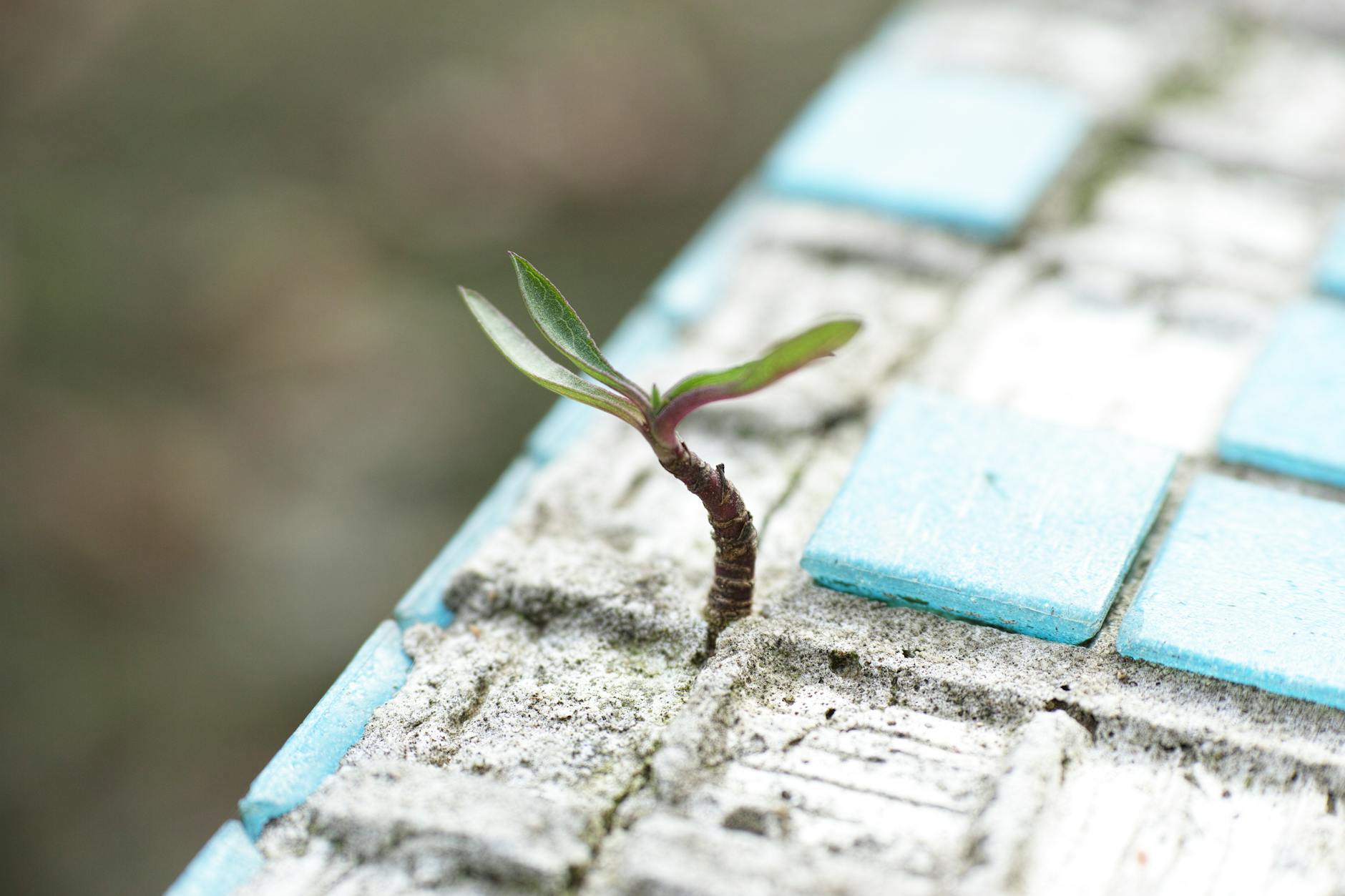
We’ve all had moments when it seemed easier to give up than try again Sometimes it comes after a tough loss, a failed test, or a seemingly endless string of disappointments that convince us nothing we do will make a difference. Psychologists have a name for this, learned helplessness, and the science behind it is both fascinating and eye-opening.
Learned Helplessness: When We Stop Trying
In the late 1960s, psychologist Martin Seligman conducted a series of studies that would shape our understanding of motivation, mindset, and, later, mental health and resilience.

In one well-known experiment, dogs were placed in a crate with two sections. One side delivered a mild shock, while the other side did not. At first, the dogs were restrained and unable to escape the shocks. Later, the restraints were removed, making it possible for them to jump to the safe side to avoid the shock.
But, at this point, something surprising happened. When the restraints were removed, many dogs didn’t even try to escape. They simply lay down and endured the shocks. They had already given up.
Seligman called this phenomenon learned helplessness. It happens when repeated, uncontrollable negative experiences lead to giving up, even when escape or change is possible.
Here’s the thing. This isn’t just something seen in dogs. Humans experience it, too. We see it in students who give up after failing a test, in adults who remain in toxic relationships or jobs, and in communities that stop voting because they believe their voices do not matter.
But there’s HOPE! The way we explain these experiences to ourselves can either keep us stuck in helplessness or help us break free from it. We are more likely to recover when we believe that failure is temporary, that it applies to a specific situation, and that it can be changed. This is where optimism becomes powerful. It fuels the belief that tomorrow can be different.
The Harvard Rat Study: A Case for Hope
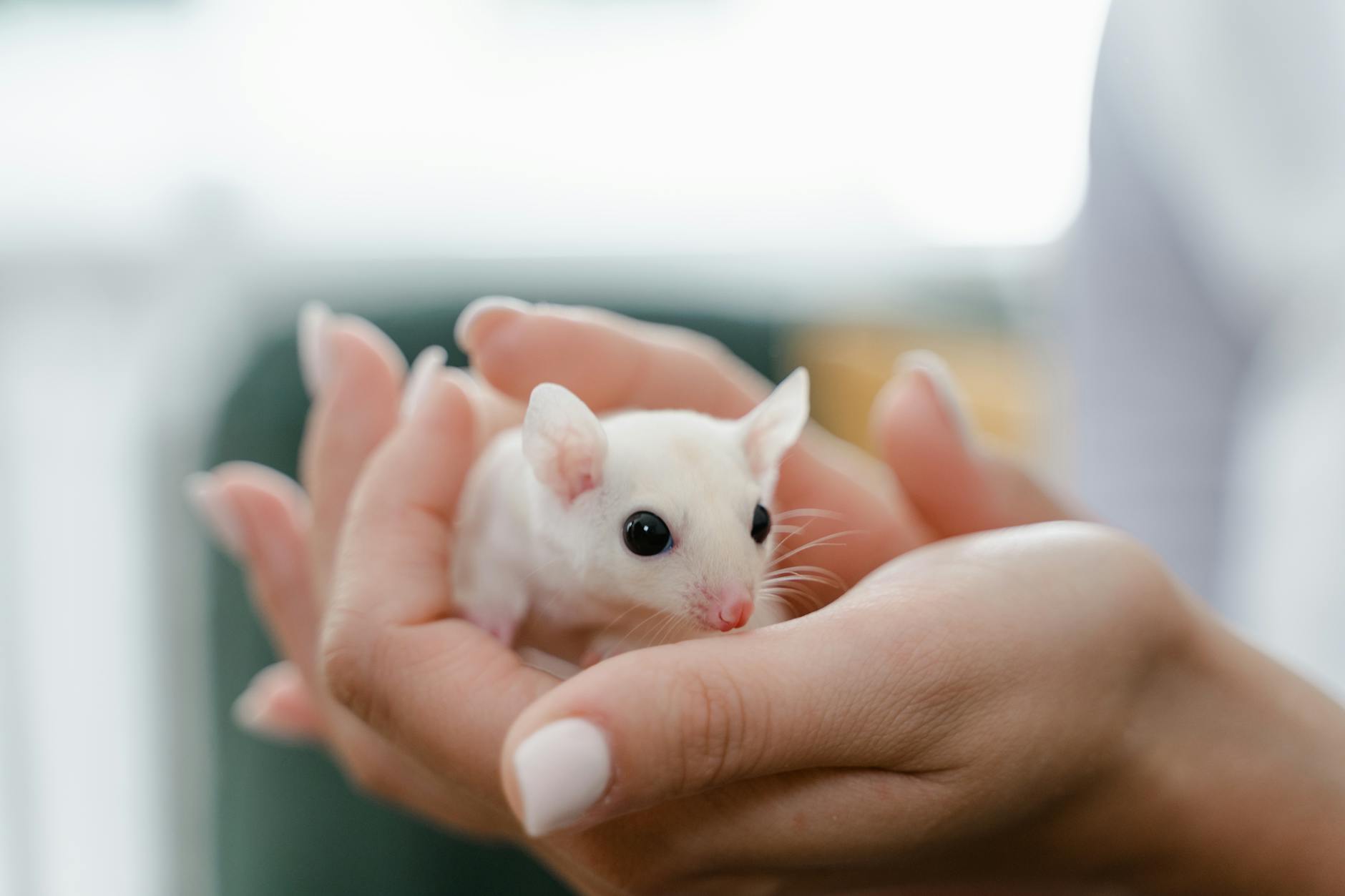
A decade earlier, in the 1950s, Johns Hopkins researcher Dr. Curt Richter conducted a study that isn’t nearly as well known but, perhaps, deserves to be.
Richter placed rats into tall buckets of water to observe how long they would swim before giving up. They lasted about 15 minutes on average before they stopped paddling and drowned. But then Richter tried something new. Just before the rats were about to give up, he rescued them. He dried them off, let them rest, and then put them back in the water.
This time, they swam not for 15 minutes, but for 60 hours.
Let that sink in. From 15 minutes to 60 hours. All because they had learned, through one rescue, that giving up was not the only option.
Bringing These Lessons into the Classroom
As educators, we spend a lot of time helping students master content, build skills, and prepare for assessments. But some of our most powerful lessons aren’t in our curriculum maps. Hope and optimism aren’t just personality traits or lucky accidents. They are mindsets that can be nurtured. With the right environment, support, and feedback, we can help students believe that effort matters, that setbacks aren’t the end, and that progress is possible.
A Quick Classroom Demo
In my psychology class, I introduce learned helplessness with a hands-on demonstration.
We start with Round One. Everyone gets the same set of solvable anagrams and has one to two minutes to work through them. Then we check results, either with a show of hands or anonymously, to set a baseline.
Round Two is where things get interesting. I secretly split the class into two groups, usually by where they’re sitting. Group A gets another set of solvable anagrams, similar to Round One. Group B, without knowing it, gets a list of impossible anagrams composed of letter combinations that look like puzzles but have no real answers. After a minute or two, we move on without sharing scores.
In Round Three, everyone gets the same solvable set again. They have the same amount of time as before, but when I compare results, the pattern is almost always the same: Group B scores lower than Group A, even though they’ve already proven they can solve anagrams and got the same question set.
That’s learned helplessness in action.
During our debrief, I ask students to explain why Group B’s scores dropped so much in Round 3. Then, I have them think about times they have felt the same kind of powerlessness, whether in school, sports, clubs, or jobs. We also talk about situations where people give up because their past experiences have led them to believe that their efforts will not make a difference.
Check out this video to see my inspiration for this activity and how it unfolds.
Takeways: It’s Not Just About Rats and Dogs

These classic experiments show that persistence is not only about strength or ability, but about believing your effort matters.
- Richter’s rats didn’t swim longer because they were stronger. They swam longer because they had reason to believe they might make it.
- Seligman’s dogs didn’t stay in place because they were lazy. They had learned, painfully, that trying didn’t matter.
These studies aren’t just about animals. They’re about us.
Hope isn’t an abstract concept. It’s a variable we can teach.
Please join me for my next installment in this series, HOPE: Learning Optimism. I would love to hear from you! Please share your thoughts, comments, and lessons below.
Take Care,
Cori

 Blended Learning Journey
Leave a comment